Ecuador

Ecuador crashes out of the World Cup

Creative Commons Attribution-Share Alike 4.0

If you are soccer fans like us, you had high hopes for Ecuador “LaTri” going in to the World Cup. They had a formidable defense with some globally recognized players like Enner Valencia and Piero Hincapié. In the qualifying rounds, they struggled tying tiny Curacao 0-0 and losing to the Ivory Coast 1-0. With a plucky 2-1 victory over Germany, though, they made it out of the group stage, only to lose to Mexico 2-0 and crashing out of the tournament. They really struggled to score throughout the tournament, with the manger resigning, right after the tournament ended.

Here is hoping that they have a better tournament in 2030!


Ecuador crashes out of the World Cup Read More »

Conciencia Amazonica – Project Update

For several years, Friends of Ecuador has been actively supporting Conciencia Amazónica, a conservation project led by RPCV David Goucher that has operated in the southeast of the country since 2019. We have some exciting updates on the project that we wanted to share.

Here are some choice extracts for a longer 5 page document which you are welcome to read in its entirety.

Since 2019, the foundation Conciencia Amazónica has been dedicated to improve environmental education in rural Amazonia in southeast Ecuador. By linking scientific investigation on private ecological reserves, and forming collaborations with Ecuadorian and International Universities, we generate exciting educational materials that we divulge to the local schools, high schools, and communities. In addition, our reserves serve as model farms that demonstrate to local land owners the possibility of ecologically friendly production while also maintaining areas of conservation with appropriate land management practices. Our motto is “Work with Nature, not Against her”.

In 2023, we purchased over 450 acres of cattle farms to begin implementing conservation and eco-friendly production strategies. We named the reserve after the primary donor for this project, Jack Agett, and his wife, Claudia Geary, whose kind donation will have a long lasting impact on a key area for biodiversity conservation.

To explore the interactions and ecology of these areas, we work together with the University of Azuay, Departments of Biology and Environmental Engineering.

One of the exciting notes in the update is about the discovery of new species of spiders:

“Close Encounters of the Arachnid Kind” – Feb 2026

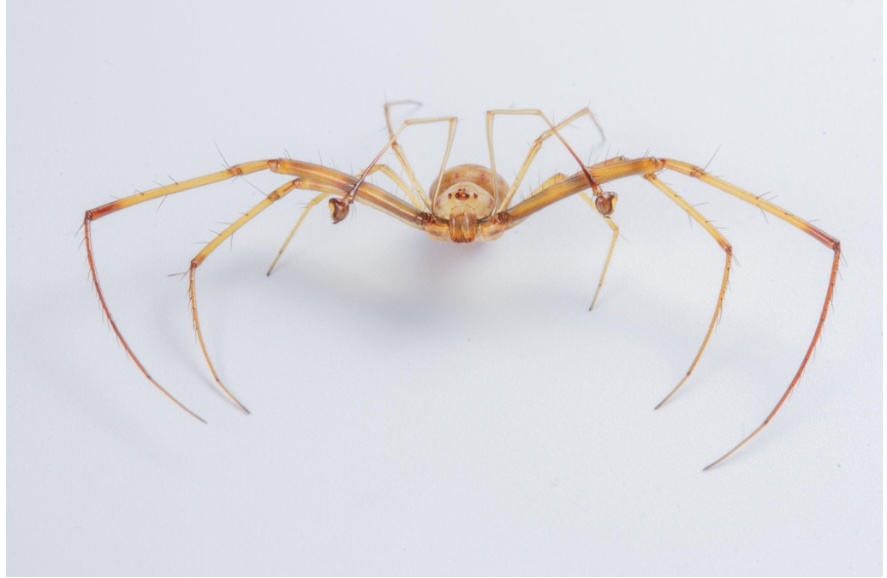
In the last several years, Ecuador has been the site of major advancements in arachnology, the study of spiders. We invited an up and coming Biologist currently in a masters program of the University of San Francisco Quito, Pedro Peñaherrera, who currently has published 59 new species of spiders in Ecuador. After only 4 days of collecting spiders in the field, and several months into their classification, Pedro has identified 5 new species of spiders, and first reports of families of known spiders in Ecuador.

There are other notable achievements with university students.

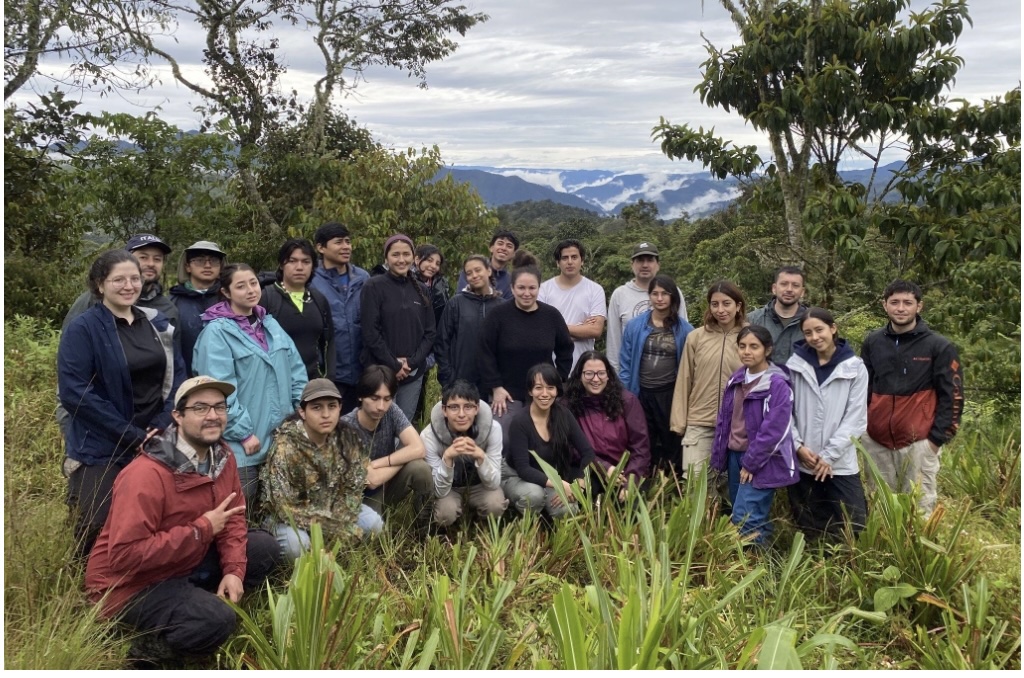
University of Azuay students visit the Agett-Geary Reserve Students in their 2nd year of Biology from the University Azuay came to the Agett-Geary Ecological Reserve to investigate the altitudinal variations of plants, insects, and birds to witness the differences in ecological dynamics at different altitudes. By examining the interactions between insects, birds and flowers, imagine the dynamics between pollination of flowers, seed dispersals, and feeding patterns, across different altitudes.

Read the whole document for more amazing details!

Conciencia Amazonica – Project Update Read More »

World Quinoa Congress

This is a guest post from Alan Adams (’67-69) about the recently concluded Quinoa Congress which was originally scheduled for June of last year but was held in November 2025. We understand it was successful and are looking forward to the full report. Here is Alan prior post for us in March 2024. This post was initially prepared before the Congress happened.

IMG_5268.png

I am writing to the membership of Friends of Ecuador to express our deep gratitude for the support you have continued to show the Association Mushuk Yuyay in its efforts to achieve food sovereignty and economic stability in southern Ecuador.

Preparations for the IX World Quinua Congress and VI Andean Grains Symposium are moving along steadily. Transportation, housing, food details are finalized, as well as collaborations with local, provincial, and national government entities and various universities. Businesses and NGOs are also on board for a successful Congress followed by a Feria featuring several business enterprises along with Mushuk Yuyay. These are things beyond our dreams when we were in Peace Corps.

The quinua harvest is bountiful, and the farmers are proud. Of course, there are still bills to pay, and $1,000 for food expenses would go a long way. Guests will be treated to several dishes, traditional and newly developed, featuring nutritious Andean grains. Mushuk Yuyay will live up to their motto: “Health is the best business.

The activities surrounding these events will take place in Cantón Cañar in southern Ecuador, just a little north of Cuenca. The dates are November 18th through 21st, 2025. Coming up soon!

Mushuk Yuyay is community centered, locally planned and carried out, for the wellbeing of the people in the area. Mushuk Yuyay supports the viability of local family farms, and employs local workers in their processing plant, their marketing, and in their harvests. Mushuk Yuyay is effectively reversing emigration in the province.

We appreciate any contribution you can make.

This is the latest promotional video for the Quinua Congress

Here is a bit more information on the organization.

MUSHUK YUYAY: COMMUNITY LED, INDIGENOUS EFFORTS IN THE ANDES MOUNTAINS
For thousands of years, the indigenous people of the Andes mountains of southern Ecuador (the Kañari) have been growing, tending, and harvesting quinoa, amaranth, and other native grains. They have been cultivating a great many varieties of potatoes and other tubers along with squashes, vegetables, and fruit. In the face of centuries of colonialism and imperialism, the Kañari have managed to hold on to their traditional ways of caring for the earth, and feeding each other. But that does not mean their path has been an easy one; they have faced immeasurable adversity and hardship.


In the indigenous Kichwa (Quechua) language, Mushuk Yuyay means “New Thought,” and the initiative certainly lives up to its name. The Association of Producers of Seeds and Nutritious Andean Foods Mushuk Yuyay was established by Nicolás Pichazaca in 1994 to help local smallholder farmers with seed and organic inputs at a time when the farmers were struggling to survive. Since then, they have established a name brand for their products, Alli Mikuna (“Good Food”), and built a processing plant. Mushuk Yuyay sees their purpose as to holistically work with indigenous farmers to build a stable economy with food sovereignty, food security, and food justice.

According to the initiative, the needs of their community around health, food, and money,
coupled with the battle against climate change cannot be solved with one solution. As a result, they approach existing environmental, health, and economic challenges with a holistic array of programs. These include feeding and nutrition education through their Healthy Children and Healthy Future school program; ecosystem restoration through the Restorative Forest of Guyaraloma; paying farmers fair market prices in the field at harvest; community education programs with NGOs and public agencies; irrigation projects involving the area in which they operate; participatory research with universities; developing organic fertilizers and pest control with the farmers; seed selection and improvement for increased biodiversity; expanding cultivation through developing community savings and loan groups; and finally, marketing by developing their own brand, Alli Mikuna, and building a processing center.

World Quinoa Congress Read More »

Help Nico Get the Medical and Educational Support He Needs

From a current US citizen living in Ecuador, Friends of Ecuador was made aware of a fundraiser for a special needs child named Nico in Ecuador who has some health needs. There is a GoFundMe set up for Nico. The information below is from the GoFundMe page. Thus far, they’ve raised nearly $5k of the overall $12k goal.

Help Nico: Medical, Therapy & Education Support for a Brave Boy in Ecuador
 
Nico was born with Down syndrome and a serious congenital heart defect. He has already undergone open-heart surgery and continues to need ongoing therapies, medical care, and educational support. We’re raising funds to help cover these essential costs so he can grow, learn, and live a joyful, dignified life.
Nico’s Story
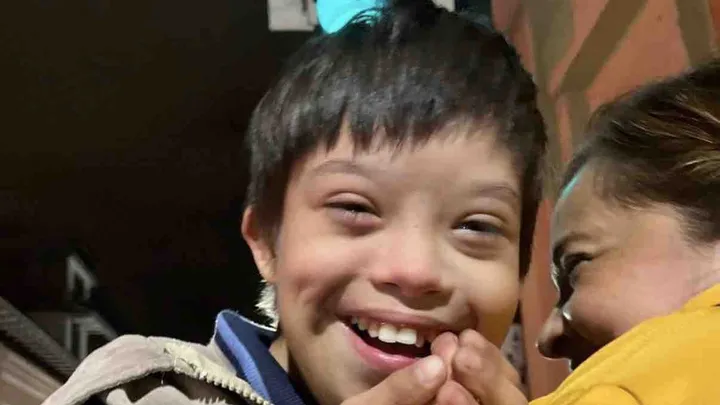
Meet Nicolás—Nico, a bright, loving 13-year-old boy from Ecuador with a smile that lights up every room.
Nico was born on April 25, 2012, after a difficult pregnancy. Soon after birth, his family learned he had Down syndrome (Trisomy 21). Not long after, they received even harder news: Nico had a congenital heart defect (atrial septal defect) and pulmonary hypertension, conditions that would require open-heart surgery before his second birthday.
Those early months were filled with hospital visits, tests, and fear. When the time came, Nico faced his surgery with incredible bravery, and he made it through. But the journey didn’t end there.
Nico Today
Nico is full of life, love, and curiosity. He works hard every single day to overcome challenges most kids never face.
He requires ongoing:
• Heart and medical check-ups
• Speech therapy
• Occupational therapy
• Physical therapy
• Educational support and learning accommodations
• Medications, lab work, and specialty evaluations
His family has done everything they can since the day he was born, but as Nico grows, his needs—and the expenses—are becoming even greater. His mother can’t work elsewhere because she attends school and therapies with him every day, and also needs to care for him at home, leaving the family with very little income to cover these essential needs.
Why We Need Your Help
Nico’s family in Ecuador does absolutely everything they can, but the financial strain has become overwhelming. This fundraiser was created to help Nico continue getting the care and learning support he deserves.
How Your Donation Helps
Your generosity will support:
• Medical expenses and specialist visits
• Speech, occupational, physical, and developmental therapies
• Follow-up testing and heart monitoring
• Educational tools, tutoring, and adaptive learning materials
• Transportation to medical and school appointments
Who Is Organizing This Campaign
This fundraiser is organized by a U.S. citizen living in Ecuador who personally knows Nico and his family. Every dollar raised will go directly to Nico’s care, with full transparency and accountability.
How You Can Help
1. Donate – Any amount makes a real difference.
2. Share – Spread the word with friends, family, and on social media.
3. Encourage – Leave a message for Nico and his family. Your words mean more than you know.
From Nico’s Family
Thank you for reading Nico’s story, for worrying and for joining us. Your kindness gives Nico the opportunity to grow, learn and get ahead. Thank you from the bottom of our hearts

Help Nico Get the Medical and Educational Support He Needs Read More »

Ecuador Grappling with Blackouts

Ecuador grapples with 14-hour blackouts, climate change, and alleged corruption

Worrisome news of blackouts in Ecuador: “Since mid-September 2024, Ecuador has been experiencing power outages, up to 14 hours per day, across its entire territory.”

Some of it appears to be related to droughts which are affecting hydroelectric produciton: “According to the Ecuadorian digital media organization La Defensa, chats between Arrobo and Noboa reveal that the Minister of Energy warned President Noboa that droughts and limited rainfall would affect the hydroelectric plants, which provide the majority of Ecuador’s electricity. Most hydroelectric energy production depends on rainwater flow as the plants require a base amount of water to spin the turbines that generate electricity. Arrobo stressed to him that if the drought continued, the hydroelectric plants “will not hold up.”

Ecuador Grappling with Blackouts Read More »

Post 2016 Earthquake Project News

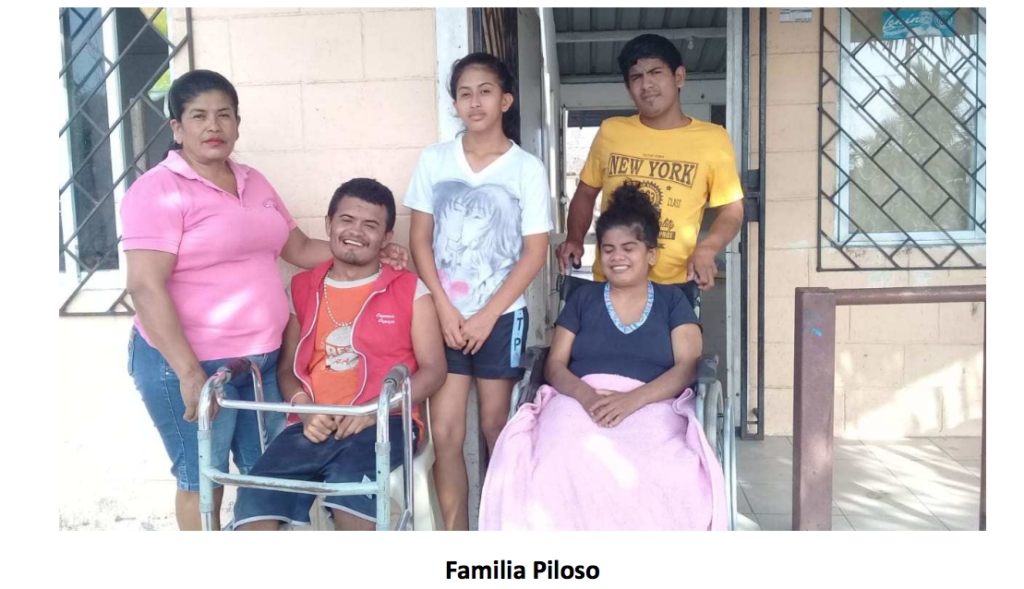
In 2016, Ecuador experienced a devastating earthquake on the coast in Manabí. Friends of Ecuador helped support Ouida Chichester with whom we had worked before with a small donation from the Elmo Foundation and a modest contribution from FOE. It was a few thousand dollars to support the work of Fundación Simón Palacios Intriago

We belatedly got a report back on how the funds were spent. The longer document in Spanish is attached, which includes a number of photos. Support was directed to disabled populations in particular. Our support helped provide food, clothing, mattresses, medications, diapers, kitchen utensils and other supplies to displaced families. Some 200 kits of cleaning supplies and food kits were distributed. An additional 180 food rations were provided to disabled persons and families with scarce resources in the two months after the earthquake.

We encourage folks to read the full document and all the photos.

Support also helped with some home repair. Some 80 families with disabled family members were beneficiaries of support on home repair, with the community volunteering their time.

Additional efforts supported educational outreach on post-disaster response and future earthquake protection measures.

Post 2016 Earthquake Project News Read More »

2020 Covid Update

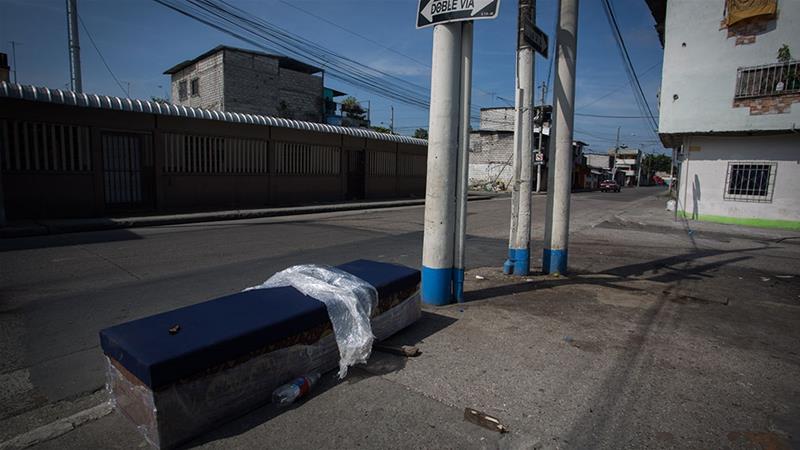
Sorry for the long radio silence from Friends of Ecuador. Like many of you, we’ve been working from home for many months in the midst of the coronavirus epidemic. COVID also hit Ecuador pretty hard, particularly the city of Guayaquil which faced challenges of bodies on the streets.

The situation there has improved but Ecuador remains vulnerable:

“More than 10,000 deaths were recorded in Guayas, the province where Guayaquil is located, during March and April, according to government data. Officials said this was nearly 6,000 more deaths than typically recorded under normal circumstances, authorities said. It is still unclear, however, how many died of COVID-19, the infectious disease caused by the novel coronavirus. Many others are believed to have died because they were unable to get proper treatment due to the city’s collapsed healthcare system. The situation in Guayaquil has since mostly stabilised, and its strict quarantine eased, but the city continues to feel the virus’s lasting effects.”

We will endeavor to bring you more news on a regular basis in coming months. Please consider supporting the two projects featured this month Mushuk Yuyay and Conciencia Amazónica.

2020 Covid Update Read More »

The Referendum

Former president Correa is barred from running from re-election after the recent referendum. There were also big victories to discourage mining and oil drilling in indigenous areas.

This from the Washington Post:

When Rafael Correa, Ecuador’s combative socialist president, decided not to run in his country’s 2017 presidential election, the move was widely interpreted as a tactical retreat.

The strategy, commentators agreed, was to let his protege, Lenín Moreno, keep his seat warm for a single term — and take the blame for the country’s stalling economy — while Correa’s approval ratings recovered ahead of a triumphant return in the 2021 election.

But if that was the plan, it has backfired spectacularly.

Ecuadorans voted overwhelmingly on Sunday to approve constitutional changes that bar Correa from ever becoming president again — and bury significant chunks of his legacy.

According to preliminary results, with 89 percent of ballots counted, 64.3 percent of voters backed a proposal to limit public officials to a single reelection, leaving Correa unable to run again.

The vote also included some other important priorities for environmentalists:

The referendum also included proposals to reverse two flagship Correa policies that had long infuriated Ecuador’s powerful indigenous movement. One proposal, to roll back mining in urban and protected areas, was approved with 68.9 percent of the vote. Another, to curb oil drilling in the stunningly biodiverse Yasuni National Park, home to some of the last indigenous people living in isolation anywhere in the Amazon, received 67.6 percent.

The Referendum Read More »

Ancient Pyramids just north of Quito

Have you heard of Cochasqui? I hadn’t.  This piece from Ancient Origins talks about a site not too far north of Quito:

The archaeological sites in Ecuador are often overshadowed by more popular locations in neighboring Colombia and Peru. However, archaeology enthusiasts have a wealth of options including more than just well-known Ingapirca to admire. Take for example the huge, 83.9-hectare site of Cochasqui, where pyramids and sacred animals patiently remind us that Ecuadorian archaeology holds more secrets than most people recognize. The debate is on: was Cochasquí a home for Quitu Cara elite, an astronomical observatory, a fortress, a sanctuary, or did it serve some combination of functions?

The pyramids were created with cangagua (a volcanic rock-like material). Scholar say the 160kg (352.74 lbs.) cut blocks of rock were softened with water and then cut using harder volcanic rock tools (the site was inhabited before the Iron Age).

Ancient Pyramids just north of Quito Read More »

Scroll to Top